

Closing the Human–Automation Gap Across the Aviation Operations Value Chain

Hyatt Place Atlanta / Centennial Park, 300 Luckie St NW, Atlanta, GA 30313
Sept 17, 2026
8:30 - 17:00 (MST)
Event Pass

$2,499.00

$ 1999

Who should attend

Senior leaders responsible for safety performance, operational decision-making, and automation adoption in high-risk aviation environments.

Short intro

This one-day Closed‑Door Operational Playbook, is highly confidential that translate strategy into repeatable, cross‑functional execution. These are not public playbooks—they contain the real decision rules, escalation paths, risk protocols, and governance structures applied to your specific operations.

Helping leaders build safe, scalable automation that strengthens decision-making, protects safety culture, and avoids “automation complacency” across high-consequence environments.

5 Benefits (why attend)

  • Cut operational risk by building automation that strengthens — not substitutes — human judgement in critical decisions
  • Elevate safety performance by aligning automation with real-world human factors
  • Speed adoption by solving trust, usability, and frontline buy-in from day one
  • Clarify accountability with clean decision ownership between people and systems
  • Build disruption-ready operations that perform under fatigue, stress, and time pressure

5 Key takeaways

  • Clear guidance on when automation strengthens — or risks — aviation operations
  • Practical safeguards to prevent over-reliance and maintain situational awareness
  • Proven approaches for stress-testing automation in real-world conditions
  • Human-in-the-loop models that align safety, operations, and technology teams
  • Leadership actions to ensure automation reinforces safety culture and confidence
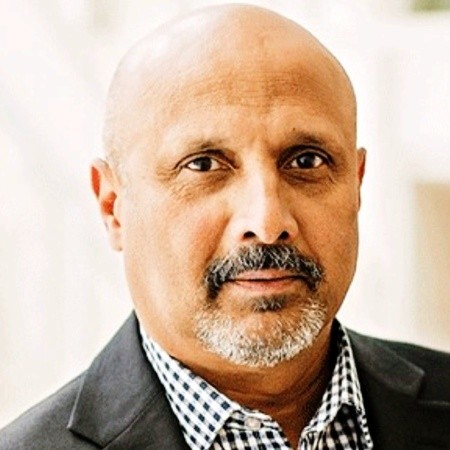
Keynote Speaker

Dave Gajadhar

Senior Business Advisor | Regulated Industries | Strategy, Sustainability, Policy Modernization & Operational Effectiveness

Event Agenda

8:30 - 9:00
Arrival, Registration & Pre Workshop Diagnostic

• Participants complete a Human–Automation Maturity Scan (baseline assessment)
• Real world examples of automation friction, drift, or surprises
• Setting the tone: “Automation is accelerating — but humans remain the last line of safety.”

9:00 - 09:30
Opening Keynote: Aviation’s Determinism Decade

Core themes:

• Why automation is outpacing human readiness
• The rise of “automation surprises” and silent drift
• The cost of misaligned human–machine ecosystems
• The shift from technology centered to human centered automation

Outcome: Shared mental model of the challenge.

09:30 - 10:30
Session 1: Where Automation Strengthens — and Where It Risks — Operations

Interactive analysis across the aviation value chain:

• Operations
• Dispatch
• Maintenance & engineering
• Ramp & turnaround
• Communications and coordination across all partners / participants by role and function
• Safety & compliance
• Client, Partner and Passenger experiences

Closing Aviation Value Chain Gaps
A strategic view across the aviation operations chain — from to MRO and ground operations — identifying where alignment breaks down.
Executive Exercise: Mapping the operational value chain to surface handover risks where automated outputs transition to human judgement.

Tools introduced:

• Automation Risk Map
• Decision Integrity Matrix

Outcome: Participants identify their top 3 automation risk hotspots.

10:30 - 10:45
Morning Coffee Break
10:45 - 12:00
Session 2: Human Factors Under Pressure — The Real Operating EnvironmentSession 2: Human Factors Under Pressure — The Real Operating Environment

Deep dive into:

• Cognitive load, fatigue, and time pressure decision degradation
• Mode confusion, automation complacency, and loss of situational awareness
• Trust, usability, and frontline adoption barriers
• Why “perfect automation” fails in imperfect human environments

Human-Centric Automation Design
Identifying where context, intent, or operational nuance is lost between systems and people.

Focus on designing workflows where technology strengthens human judgement rather than substituting for it.

Data Into Operational Decisions
Presenting operational data so it drives timely action rather than passive monitoring.

Explore cognitive risks in automated environments, including automation bias, complacency, and decision fatigue.

Scenario Lab: Participants walk through a real world “automation surprise” event and map the human machine breakdown.
Outcome: Clear understanding of how human performance shapes automation outcomes.

12.00 - 13.00
Lunch + Optional Leadership Roundtable

Topic: “What automation failure taught me about my organization.”

13.00 - 14.15
Session 3: Building Human in the Loop Operating Models

Frameworks introduced:

• Human in the Loop (HITL)
• Decision Pathways
• Accountability Clarity Model (who decides, who monitors, who intervenes)
• Cross functional automation governance

Exercises:
• Redesign a flawed automation workflow
• Define escalation triggers and intervention thresholds

Outcome: Participants leave with a draft HITL model for their operation.

14.15 - 14.30
Afternoon Coffee Break
14.30 - 15.45
Session 4: Stress Testing Automation in Real World Conditions

Hands on simulation:

Teams run through a stress test gauntlet including:

• Fatigue
• Disruption
• Conflicting data
• System drift
• Unexpected automation behavior

The Bias Audit: Complacency vs Distrust

Examining the leadership challenge of balancing automation reliance with critical oversight. Includes a real-world case study of human-automation breakdown and its operational consequences.

Automation Audit Framework
Defining levels of automation from manual control to autonomy, and clarifying where human expertise remains essential for safety, resilience, and operational confidence.

Participants evaluate their own operational technologies, including predictive maintenance, flight deck automation, and operational decision tools.

Tools introduced:

• Automation Stress Test Playbook
• Drift Detection Checklist
• Human Machine Resilience

Scorecard Outcome:

Leaders learn how to validate automation under real operational pressure.

15.45 - 16.45
Session 5: Strengthening Safety Culture in an Automated Environment

Topics:

• How automation reshapes safety reporting
• Preventing over reliance and erosion of vigilance
• Embedding automation literacy into training & standards
• Aligning safety, operations, and technology teams

Leadership actions:

• What executives must do in the next 90 days
• How to communicate automation expectations
• How to build trust and confidence across the frontline

Executive Design Sprint:

Fixing the Handover
Breakout groups redesign a critical operational process where automation and human judgement intersect.

Includes a “Silent Failure” simulation highlighting how apparently stable data can mask emerging operational risk.

• Building Operational Resilience: Manual Reversion Strategy
• Maintaining critical human capabilities in highly automated operations.
• Covers training for system outages, biased automation outputs, and building explainable AI frameworks to strengthen trust and accountability.
Strategic Roadmap & KPI Alignment
• Defining performance indicators that measure effective human-automation collaboration — not just system uptime.
• Includes stress-testing automated decisions to ensure optimisation does not compromise safety or resilience.

Outcome: A leadership action plan that reinforces safety culture.

16.45 - 17.00
Closing: The Automation Integrity Commitment

• Participants finalize their Automation Integrity Pledge
• Commit to 3 operational changes within 30 days
• Facilitator provides post workshop toolkit access

Deliverables:
• Human–Automation Maturity Scan results
• HITL Decision Pathway template
• Automation Stress Test Playbook
• Safety Culture Reinforcement Guide
• Executive one page summary for internal communication

Close & Executive Commitment
Participants leave with one concrete action to strengthen human-automation balance, reduce operational risk, and enhance decision confidence.

Agenda key objectives:
Identify benefits and takeaways directly:

• Strengthens human judgment
• Elevates safety performance
• Accelerates adoption and trust
• Clarifies accountability
• Builds disruption ready operations

Register for this event

Secure your place at this exclusive event
Group Discount

Book 3+ spaces and save 20% or more. Multi-buy pricing starts at $1,999 per seat.

Expert-Led Content

Led by senior industry advisors with decades of aviation industry experience.

Why Leaders Hive?

Trusted by aviation leaders worldwide for curated, high-impact development events.

Dedicated Support

Our team is available to help with group bookings, and any special requirements.

Scroll to Top