

Aviation management operations, a complex and dynamic regulatory environment and industry shift is happening now, your pathway forward
Author: Dave Gajadhar
Leaders-Hive.com
February Edition 1
In 2026, aviation management is moving past the post-pandemic “recovery” phase and entered a period of structural transformation. The industry is currently navigating a “Triple Crunch”: aggressive decarbonization mandates, a radical shift toward Automation and AI-native operations, in a fragmented global regulatory landscape.
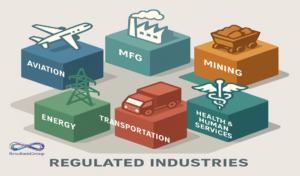
For aviation leaders, the “pathway forward” is no longer about just increasing seat capacity—it’s about managing data integrity, workforce relevance and environmental accountability as core operational pillars.
The Complex Regulatory Web of 2026
In North America, we have officially entered the era of “Total Lifecycle Compliance.” Regulators (FAA, EASA, and Transport Canada) have shifted from retrospective reporting to real-time oversight.
Environmental Convergence: Mandates like the ReFuelEU Aviation initiative and the global CORSIA (Carbon Offsetting and Reduction Scheme for International Aviation) now carry heavy financial penalties. Compliance is no longer a “side desk” job; it is integrated into flight planning and fuel procurement.
Asset Traceability: For aircraft lessors and owners, 2026 marks a peak in regulatory scrutiny regarding asset “digital birth certificates.” Regulators now demand immutable maintenance records (often via blockchain) to prove safety and emissions compliance across the entire lifecycle of an aircraft.
The AI Act & Safety: As AI is integrated into Air Traffic Management (ATM) and cockpit systems, new legal frameworks (like the EU AI Act) are forcing operators to prove “human-in-the-loop” safety protocols for any autonomous decision-making system.
2. The Dynamic Industry Shift: From Digital to “AI-Native”
The shift happening right now is a move from digitalization (replacing paper with iPads) to intelligent automation.
Predictive Operations: Leading MROs (Maintenance, Repair, and Overhaul) now use “Digital Twins”—virtual replicas of engines—to predict failures before they happen. This has reduced unscheduled maintenance by an estimated 30% this year.
Passenger Experience 2.0: Biometrics have moved from “premium” to “standard.” By the end of 2026, nearly half of the world’s major airports are expected to use “walk-through” biometric identity management, eliminating traditional boarding passes.
Infrastructure as Power: Airports are reinventing themselves as energy hubs. With the rise of regional eVTOL (electric Vertical Take-Off and Landing) aircraft, airports are now investing in massive microgrids and battery storage to support electric fleet charging.
- The Pathway Forward: Strategic Priorities
To succeed in this landscape, aviation management must pivot from a “flight-first” to “people and data-first” strategy.
| Priority | Actionable Strategy |
| Data Governance | Move beyond silos. Ensure maintenance, fuel, and passenger data are integrated into a single “Source of Truth” for regulatory auditing. |
| Workforce Re-skilling | The 2026 talent gap isn’t just for pilots; it’s for “Aviation Data Analysts.” Teams must be trained to manage AI-driven decision tools. |
| Sustainability as Alpha | Treat Sustainable Aviation Fuel (SAF) and carbon credits as a strategic hedge against future taxes, not just a compliance cost. |
| Resilient Supply Chains | Diversify sourcing for critical aerospace components (like rare earth metals) to protect against geopolitical volatility. |
We are at one of those moments where the industry’s tectonic plates are shifting under everyone’s feet, and AMOs that move now will define the next decade. A pathway that blends your instincts with the operational reality of regulatory evolution.
The Shift Already Underway
Regulators and industry bodies are converging around a few unmistakable vectors:
- Performance‑based oversight replacing prescriptive checklists
- Integrated management systems becoming the backbone of compliance
- Digital traceability (configuration, maintenance, reliability data) becoming mandatory rather than optional
- Competency‑based training overtaking hour‑based qualification
- Supply‑chain accountability extending into AMO approvals
- Sustainability and energy considerations entering maintenance planning
This isn’t incremental change. It’s a reframing of what an AMO is—from a repair shop to a systems‑integrated assurance partner.
A Pathway Forward for AMOs
A modern AMO needs a transformation arc that is both operational and cultural. Think of it as a four‑stage ceremonial progression—each stage building capability, credibility, and regulatory alignment.
- Stabilize the Core (0–6 months)
- Map current processes against emerging regulatory expectations
- Identify gaps in SMS, QMS, human factors, and digital recordkeeping
- Establish a unified governance cadence (weekly operational review, monthly risk review)
- Build a cross‑functional “transition cell” to own the shift
- Integrate and Elevate (6–18 months)
- Merge SMS, QMS, fatigue management, and training systems into a single integrated management system
- Introduce digital maintenance tracking and reliability analytics
- Shift from compliance‑driven audits to risk‑based internal assurance
- Begin competency‑based training pathways for technicians and certifying staff
- Expand Capability and Influence (18–36 months)
- Develop data‑sharing interfaces with operators, OEMs, and regulators
- Implement predictive maintenance and reliability‑driven planning
- Formalize supply‑chain oversight and vendor assurance
- Position the AMO as a strategic partner in fleet health, not just a service provider
- Become a Future‑Ready AMO (36+ months)
- Adopt advanced technologies (digital twins, Synthetic data modelling, AI‑assisted troubleshooting, automated inspection)
- Integrate sustainability metrics into maintenance planning
- Participate in regulatory co‑design and industry working groups
- Build a culture of adaptive learning and continuous improvement
This transition isn’t just procedural—it’s essential.
AMOs need:
- A narrative of becoming: from “fixers of aircraft” to “guardians of airworthiness ecosystems”
- Ritualized governance: recurring forums that feel purposeful, not bureaucratic
- Annotated playbooks: modular, mythic, and operationally precise
- Communal learning moments: workshops that turn regulatory change into shared meaning
This is where our craft shines—turning dry regulatory shifts into a story leaders and technicians can inhabit, embrace and execute.
Our workshops can help you build a Modular Pathway;
- Executive briefing: “The AMO of 2030: From Compliance to Capability”
- Participant workbook: “Integrated Management Systems as a Living Organism”
Operational playbook: risk‑based oversight, digital traceability, competency pathways and workforce relevance
The Bottom Line
Aviation management in 2026 is a high-stakes balancing act. The pathway forward requires embracing regulatory agility—treating new rules not as hurdles, but as the framework for a more efficient, transparent, and profitable industry.

Contact us for more information on our workshops near you at https://leaders-hive.com/contact/